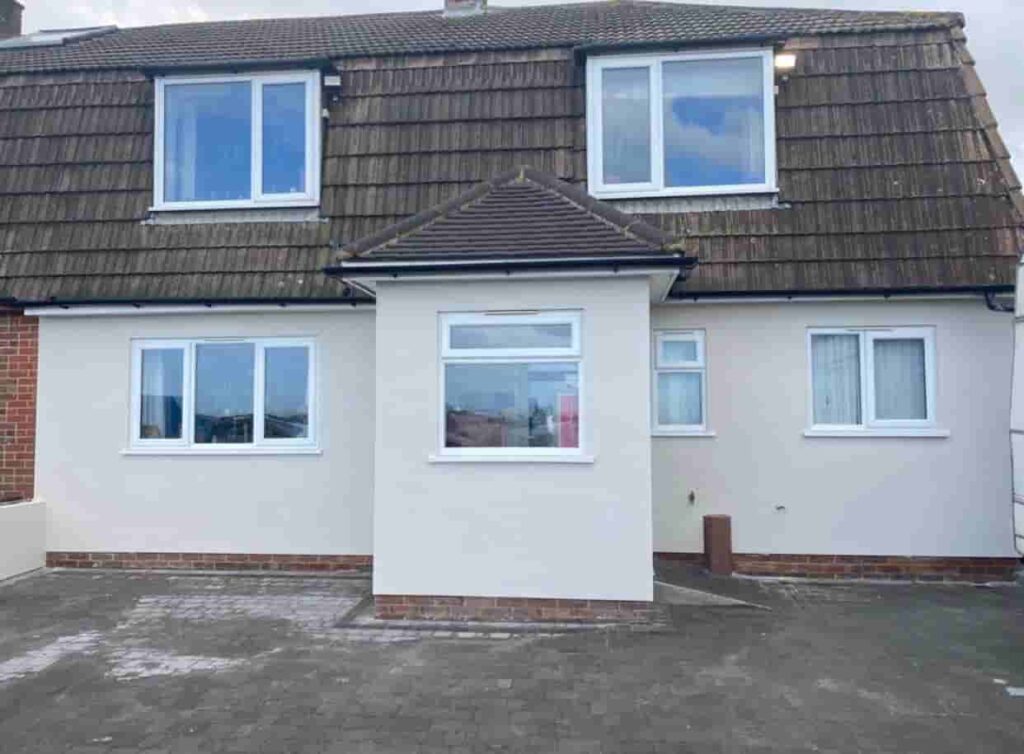
Roofing defects do not always cause immediate or obvious problems. A displaced tile, small flashing fault or blocked outlet may appear minor, yet it can allow moisture to reach less visible parts of the roof. Once water enters the roofing system, damage may spread to the underlay, battens, timbers and internal finishes.
Recognising problems early gives a roofer the opportunity to address the original defect before it affects a wider area. For property owners in Bedworth, Warwickshire, arranging an inspection when the first warning signs appear can help preserve the roof’s condition and prevent avoidable deterioration.
Roofing Problems That Should Be Investigated Promptly
The following defects are often more straightforward to resolve when they are identified at an early stage.
1. Slipped or Missing Roof Tiles
A tile does not need to be broken to create a weakness. Failed fixings, deteriorated battens and movement during poor weather can cause tiles to slip out of position, leaving the underlay exposed.
Although the underlay provides secondary protection, it is not intended to remain directly exposed to the weather. Promptly refitting or replacing affected tiles can restore the roof covering before water reaches the structure beneath it.
2. Cracked or Weathered Tiles
Tiles can crack because of age, impact, frost-related deterioration or movement within the roof covering. Fine cracks may be difficult to see from ground level, but they can gradually admit moisture.
A small number of defective tiles may require only a localised repair. If they remain in place, however, moisture can affect adjacent materials and make the eventual work more extensive.
3. Damaged Flashing
Flashing helps weatherproof the junctions around chimneys, roof abutments, valleys and other vulnerable areas. It may split, lift, loosen or pull away over time.
Water often follows concealed routes beneath a roof covering, so damp inside the property may not appear directly below the flashing defect. Early inspection allows the joint to be repaired before persistent water ingress damages nearby masonry, timbers or internal surfaces.
4. Blocked or Defective Roof Drainage
Gutters, outlets and downpipes direct rainwater away from the roof and walls. Leaves, moss and other debris can obstruct this flow, causing water to overflow or collect where it should not.
Loose joints, poor alignment and damaged sections can create similar problems. Addressing drainage defects promptly helps prevent prolonged saturation around fascias, roof edges and external walls.
5. Deteriorating Mortar
Mortar is commonly found around ridge tiles, hip tiles and some verge details. Exposure to the weather can cause it to crack, loosen or fall away.
Once the mortar begins to fail, the affected tiles may become less secure and water can enter the gaps. Early repairs can stabilise localised deterioration before movement spreads along the ridge, hip or verge.
6. Flat Roof Blistering, Splitting or Ponding
Flat roofs require an intact surface and effective drainage. Blisters may indicate trapped air or moisture, while splits can create direct routes for water ingress. Standing water can also place continued stress on vulnerable areas of the covering.
These signs should be assessed rather than covered with a temporary patch. A professional roofer can determine whether the problem is confined to the surface or linked to the substrate, drainage falls or previous repair work.
7. Moss Growth and Accumulated Debris
A light covering of moss does not automatically mean that a roof is failing. Heavy growth, however, can retain moisture, obstruct drainage channels and conceal cracked or displaced tiles.
Removing moss without first assessing the roof can disturb fragile materials or overlook the underlying cause of damp areas. A professional inspection can establish whether cleaning alone is appropriate or whether repairs are also required.
Warning Signs Inside the Property
Some roof defects become apparent indoors before they are easily visible outside. Warning signs can include:
- Damp patches on ceilings or upper walls
- Peeling paint or discoloured plaster
- Musty odours in loft spaces
- Daylight visible through the roof covering
- Damp insulation or roof timbers
- Water marks that become darker after rainfall
Even if a mark dries out, the source may still be present. Rain direction and wind conditions can influence when a defect allows water to enter, meaning a leak may appear intermittent.
Why Accurate Diagnosis Matters
The visible symptom is not always the original problem. Water can travel along underlay, rafters and other materials before appearing inside the property. Repairing only the area above an internal damp patch may therefore fail to resolve the leak.
A thorough roofing assessment considers the roof covering, fixings, flashing, drainage points, junctions and accessible underlying materials. This helps identify both the entry point and any contributing defects, allowing the repair to address the cause rather than temporarily concealing the result.
Conclusion
Slipped tiles, cracked coverings, damaged flashing, drainage faults, failing mortar, flat roof defects and heavy moss growth are all easier to manage before deterioration spreads. Early attention can protect the underlying roof structure and reduce the likelihood of recurring water ingress.
If you have noticed signs of a roofing defect at your property in Bedworth, Warwickshire, contact Bedworth Roofing Repairs to arrange a professional assessment. Clear diagnosis and correctly targeted repairs can help restore the roof’s performance without recommending more work than is necessary.
Call us on: 024 7542 2296
Click here to find out more about Bedworth Roofing Repairs
Click here to complete our contact form and see how we can help with your roofing needs.