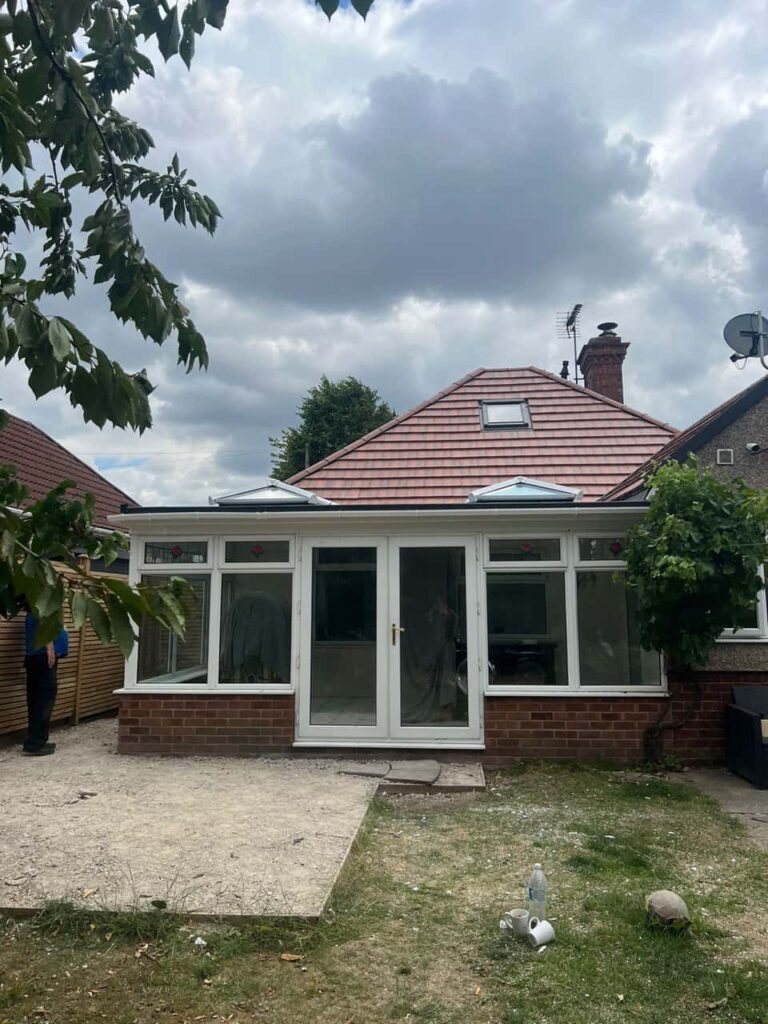
Roof repairs are a normal part of maintaining a property. A damaged tile, isolated leak or localised flashing problem can often be corrected without disturbing the rest of a roof that remains in good condition. However, repairs are most effective when they are addressing individual defects rather than compensating for widespread deterioration across an ageing roofing system.
For homeowners in Bedworth, Warwickshire, there can eventually come a point when continuing to repair separate problems is no longer the most practical approach. Complete roof replacement may become more appropriate when several roofing components are deteriorating, defects keep returning or the overall roof is becoming increasingly unreliable.
At Bedworth Roofing Repairs, the important first step is assessing the condition of the complete roof rather than assuming that either repair or replacement is automatically required.
When Are Roof Repairs Usually Appropriate?
Targeted repairs make sense when a problem is limited to a particular area and the surrounding roofing materials remain serviceable.
Examples can include:
- A small number of cracked or broken tiles
- Slipped roofing materials
- A localised roof leak
- Limited flashing deterioration
- An isolated ridge or hip defect
- Damage confined to one particular section
In these situations, correcting the affected area can restore effective protection while retaining the sound majority of the existing roof.
The situation changes when problems are no longer isolated.
Recurring Repairs Can Indicate a Wider Problem
One of the clearest reasons to consider the overall condition of a roof is when repairs become increasingly frequent.
There is an important difference between one repair lasting for years and different defects appearing repeatedly across the roof.
You may find that one section is repaired successfully, but another problem develops elsewhere shortly afterwards. Over time, this can indicate that the roof is experiencing general deterioration rather than a series of unrelated faults.
At this stage, looking at the roof as a complete system becomes increasingly important.
Multiple Leaks Can Point Towards Widespread Deterioration
A single roof leak does not mean a property requires a new roof.
Water ingress can result from a relatively minor problem such as a slipped tile or defective flashing. Where the surrounding construction remains sound, an appropriate repair may provide an effective solution.
Repeated leaks in different locations present a different situation.
If water ingress keeps developing across separate areas, there may be several weaknesses within the roof covering or the materials beneath it. Simply repairing the latest visible leak may not address the wider deterioration.
Widespread Tile or Slate Problems Can Change the Decision
Individual damaged tiles or slates can usually be considered separately.
However, when deterioration is distributed across several sections, replacing isolated materials can become an increasingly reactive approach.
Signs of wider covering deterioration can include:
- Numerous cracked tiles
- Repeatedly slipping materials
- Damage across several roof slopes
- Increasingly fragile roofing materials
- Multiple sections requiring attention at similar times
The condition and distribution of these defects help determine whether retaining the existing covering remains appropriate.
The Condition Beneath the Roof Covering Matters
A roof consists of more than the materials visible from outside.
Underneath the tiles or slates are important components such as underlay and battens. Long-term water ingress can affect these concealed areas even when the visible defect initially appears relatively small.
Where underlying deterioration is limited, local repair may remain possible. If problems are widespread beneath an ageing roof covering, more comprehensive renewal may be the better way to address the roofing system properly.
Complete roof replacement provides an opportunity for accessible underlying components to be examined once the old covering is removed.
Deteriorated Underlay Can Be Significant
Roofing underlay provides an additional protective layer beneath the main covering.
As a roof ages, older underlay can gradually deteriorate. Tears, holes or widespread degradation can reduce its effectiveness, particularly when tiles or slates above also begin developing defects.
A small area of damaged underlay does not automatically justify replacement of the complete roof. However, extensive deterioration combined with other roofing problems can contribute significantly to the decision.
Previous Repairs Tell Part of the Story
A roof having previous repairs is not necessarily a negative sign.
Well-planned maintenance can help a roof remain dependable for many years. What matters is the pattern of repairs and the condition of the materials around them.
If a roof contains numerous repair areas and new defects continue developing between them, the remaining original materials may be reaching a similar stage of deterioration.
Eventually, the roof can become a collection of separately repaired sections rather than one consistently performing system.
Age Matters Less Than Actual Condition
Homeowners sometimes assume that reaching a particular age means a roof automatically needs replacing.
In practice, roof condition is far more informative.
How well a roof has performed depends on factors including:
- The roofing materials
- Original installation quality
- Exposure to weather
- Previous maintenance
- Condition of roof junctions
- Condition of underlying components
- How promptly earlier defects were addressed
An older roof that remains secure and weather-resistant may continue to be suitable for repair. Another roof experiencing widespread deterioration may justify replacement sooner.
Difficult Weather Can Reveal Declining Reliability
Periods of strong wind and prolonged rainfall can highlight weaknesses within an ageing roof.
A single weather-related incident does not necessarily indicate complete failure. However, repeated problems following challenging conditions can demonstrate that different parts of the roof are becoming increasingly vulnerable.
For example, homeowners may experience:
- Tiles repeatedly becoming displaced
- New leaks appearing after heavy rainfall
- Ridge or hip components requiring regular attention
- Flashing defects developing in several locations
A pattern of weather-related problems can indicate that the roof’s overall resilience is declining.
When Several Roofing Components Need Attention Together
Another important consideration is whether deterioration is affecting more than the main roof covering.
Suppose the tiles require extensive attention while flashing, underlay and ridge details are also showing significant deterioration. Repairing each component independently may become less practical than considering the roof as a complete system.
Replacement can provide an opportunity to address these interconnected elements together.
This is very different from replacing a roof simply because one component has developed a minor defect.
Is the Time Between Repairs Getting Shorter?
The frequency of defects can provide useful insight into the roof’s condition.
A property requiring one small repair followed by many years without further problems may still have a dependable roof.
If new defects are appearing every time the weather becomes challenging or shortly after previous work elsewhere, the situation deserves broader investigation.
Shortening intervals between repairs can indicate that the roof is becoming less reliable overall.
Complete Replacement Allows the Roof to Be Renewed as a System
One of the main advantages of complete roof replacement is that it allows the roofing system to be considered comprehensively.
Once the existing covering is removed, accessible underlying components can be assessed and appropriate preparation completed before the new covering is installed.
Depending on the roof, attention can be given to:
Roof Coverings
New tiles, slates or appropriate materials create a consistent external covering.
Underlay
The protective layer beneath the covering can be renewed where required.
Battens
Supporting components can be assessed before new materials are installed.
Flashing
Important junctions and vulnerable details can be addressed as part of the wider roofing work.
Ridge and Hip Details
These exposed areas can be incorporated properly into the renewed system.
The result is a coordinated approach rather than a collection of separate repairs completed at different times.
Replacement Should Not Be Recommended for Every Older Roof
A professional approach should recognise when existing roofing materials remain worth preserving.
If deterioration is genuinely localised and the wider roof remains sound, targeted repair can be entirely appropriate.
Complete replacement becomes more relevant when there is evidence that the roof as a whole is losing reliability.
This distinction prevents sound roofing materials from being disturbed unnecessarily while ensuring that widespread deterioration is not repeatedly treated as a series of unrelated small problems.
Why a Professional Inspection Is Important
From ground level, it can be difficult to determine how extensive a roofing problem really is.
One visible broken tile may be an isolated defect. Alternatively, it may be one obvious symptom within a much more weathered covering.
A professional assessment considers:
- The condition of the main roof covering.
- The number and distribution of defects.
- Previous repair areas.
- Evidence of water ingress.
- Flashing, ridges, hips and junctions.
- Accessible underlying components.
- Whether deterioration is localised or widespread.
This information provides a much stronger basis for deciding between repair and replacement.
Early Assessment Can Help Avoid a Cycle of Reactive Repairs
Waiting until each individual problem becomes obvious can result in roofing work becoming increasingly reactive.
One leak is repaired, followed by a slipped tile elsewhere, then another vulnerable section requires attention.
Having the complete roof assessed once a pattern begins developing can provide a clearer understanding of its overall condition.
The assessment may show that targeted repairs remain worthwhile. Alternatively, it may demonstrate that replacement has become the more appropriate next step.
Either outcome provides more useful information than simply waiting for the next defect.
Roof Replacement in Bedworth, Warwickshire
At Bedworth Roofing Repairs, we provide professional roofing services throughout Bedworth, Warwickshire, including roof repairs and complete roof replacement where appropriate.
Our approach is based on establishing what the existing roof genuinely requires. Where individual defects can be repaired while retaining sound roofing materials, focused work may remain the right solution.
Where deterioration has become widespread and several roofing components are increasingly unreliable, complete replacement can provide a more comprehensive way of restoring dependable protection.
Careful assessment ensures that the recommended work reflects the actual condition of the roof rather than relying solely on its age or appearance.
Conclusion
Complete roof replacement becomes more appropriate than continued repairs when deterioration is no longer confined to isolated areas. Recurring leaks, widespread tile or slate problems, deteriorated underlying materials, numerous previous repairs and several roofing components requiring attention at the same time can all indicate that the roof should be considered as a complete system.
This does not mean every ageing roof needs replacing. Where the majority of the roof remains sound, professional repairs can continue to provide an effective solution. The important point is recognising when individual repairs are maintaining a dependable roof and when they are simply responding to an increasingly widespread pattern of deterioration.
If your roof in Bedworth, Warwickshire is requiring increasingly frequent attention, contact Bedworth Roofing Repairs. We can assess the overall condition of the roofing system and determine whether further targeted repairs remain appropriate or whether complete roof replacement has become the more practical next step.
Call us on: 024 7542 2296
Click here to find out more about Bedworth Roofing Repairs
Click here to complete our contact form and see how we can help with your roofing needs.